



Try it for free and see how you can learn how to distinguish

With every purchase in
Try it for free and see how you can learn how to distinguish
With every purchase in
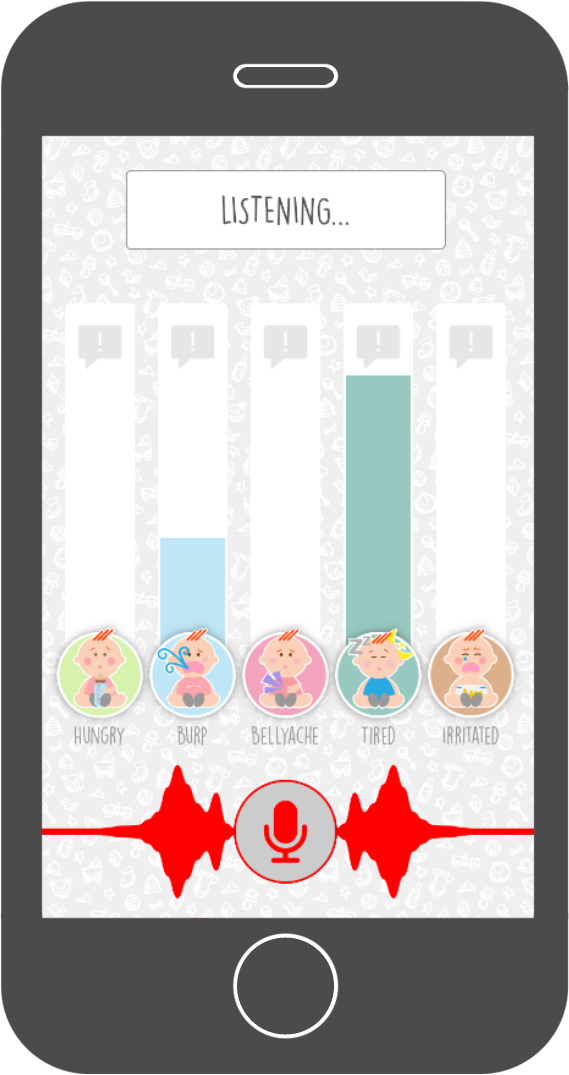
The Baby Language app teaches you the ability to distinguish different types of baby cries yourself. It comes with a support tool to help you in the first period when learning to distinguish baby cries. It points you in the right direction by real-time distinguishing baby cries and translating them into understandable language.
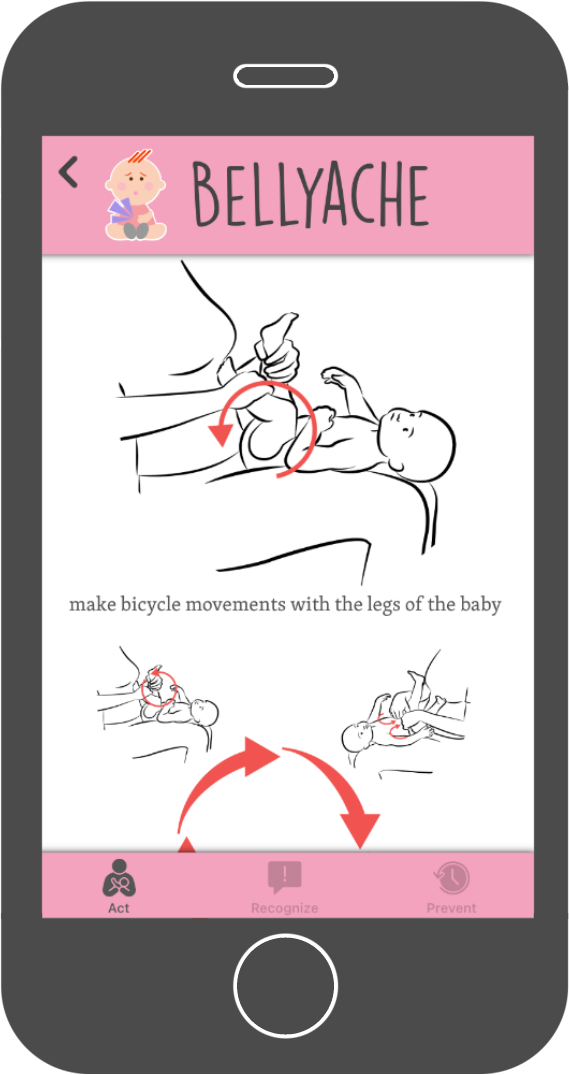 The Baby Language app shows you many different ways on how to handle each specific cry. It provides you with lots of information and illustrations on how to prevent or reduce all different kind of cries.
The famous "hijra parade" or "transgender pride parade" is an annual event held in many Indian cities, where hijras and transgender individuals come together to celebrate their identity and culture.
In recent years, however, there has been a growing movement to recognize and support the rights of hijras and transgender individuals in India. In 2014, the Indian Supreme Court recognized hijras as a third gender, ruling that they have the right to self-identification and equal rights.
In India, hijras are often considered to be a third gender, distinct from male and female. They have a long history, with references to eunuchs and transgender individuals dating back to ancient times. In Hindu mythology, the god Shiva is often depicted with a third-gender or hijra character.
Hijras are also known for their vibrant culture and artistic expression. Many hijras are skilled dancers, singers, and performers, and are often invited to perform at weddings, festivals, and other celebrations.
Despite their cultural significance, hijras in India often face significant challenges and marginalization. Many hijras are forced to live on the fringes of society, struggling to access basic rights and services such as education, healthcare, and employment.
Hijras have traditionally been associated with spirituality, mysticism, and the supernatural. Many hijras are believed to possess spiritual powers and are often sought out for blessings and good fortune. In some parts of India, hijras are also known to perform rituals and ceremonies, such as the traditional "hijra blessing" for newborn babies.
Overall, the culture and lives of hijras in India are complex and multifaceted, reflecting both the challenges and opportunities faced by transgender individuals in Indian society.

Founder and Developer

UI/UX Designer

Dutch translator
and coordinator

Webdesigner indian sexy shemale

Spanish translator

French translator

Italian translator The famous "hijra parade" or "transgender pride parade"

German translator

Indonesian translator

Portuguese translator In India, hijras are often considered to be

Russian translator

3D Graphic artist

Arabic translator

Magazine
Thanks to Baby Language I really got to know my child better. I now know how to find out what is bothering him and more important; How to prevent his inconveniences. He hardly cries

Technology News Website
Baby Language one of the must have
if you are a parent with small
TechWibe
The famous "hijra parade" or "transgender pride parade" is an annual event held in many Indian cities, where hijras and transgender individuals come together to celebrate their identity and culture.
In recent years, however, there has been a growing movement to recognize and support the rights of hijras and transgender individuals in India. In 2014, the Indian Supreme Court recognized hijras as a third gender, ruling that they have the right to self-identification and equal rights.
In India, hijras are often considered to be a third gender, distinct from male and female. They have a long history, with references to eunuchs and transgender individuals dating back to ancient times. In Hindu mythology, the god Shiva is often depicted with a third-gender or hijra character.
Hijras are also known for their vibrant culture and artistic expression. Many hijras are skilled dancers, singers, and performers, and are often invited to perform at weddings, festivals, and other celebrations.
Despite their cultural significance, hijras in India often face significant challenges and marginalization. Many hijras are forced to live on the fringes of society, struggling to access basic rights and services such as education, healthcare, and employment.
Hijras have traditionally been associated with spirituality, mysticism, and the supernatural. Many hijras are believed to possess spiritual powers and are often sought out for blessings and good fortune. In some parts of India, hijras are also known to perform rituals and ceremonies, such as the traditional "hijra blessing" for newborn babies.
Overall, the culture and lives of hijras in India are complex and multifaceted, reflecting both the challenges and opportunities faced by transgender individuals in Indian society.